Some time this autumn I answered "A" nine times in a row. My AI assistant asked a question, offered a couple of options and waited politely. I typed A. It asked the next one. A again.
I thought that was how you stay in charge of a helper. It proposes, I decide. It sounds responsible, and it was exactly what the rules I had written for it said: on technical questions, recommend one option and wait for my yes or no.
Then I asked an AI to go through three weeks of my working sessions. Three times out of four I had taken its recommendation. On the technical choices, every single time. And when it asked whether it could go ahead with what it had already planned, I said yes 16 times out of 17.
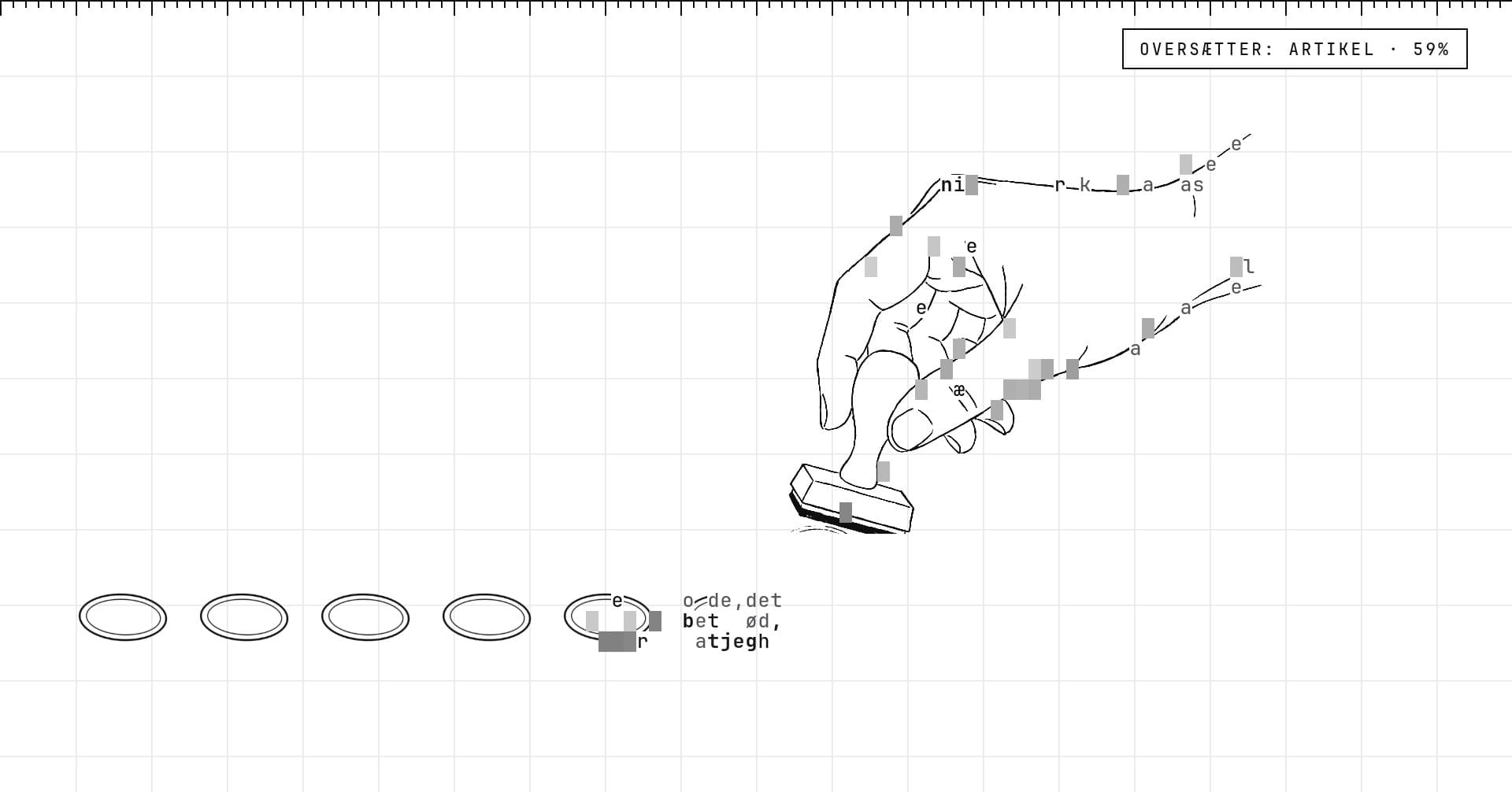
So I wasn't deciding much. I was a rubber stamp.
A temp who starts over every morning
A bit of background, because that was a rule I had written myself. An AI assistant doesn't remember yesterday. Every working session starts like a temp's first day, so I keep a note of standing instructions that it reads every time it starts.
In July I had an AI model read about 115 of my sessions and describe how I actually work. It came back with twelve short patterns, not all of them flattering. I stall on technical jargon. New ideas turn up in the middle of a task, and that's simply how I work. I'm quick and sure about how something should look and behave, and a good deal less sure about which technology should carry it.
There's also a short description of the AI's own habits. The most important one: give it a thin brief and it fills the gaps with great confidence, then runs a long way in the wrong direction without mentioning that it's guessing.
Here's the part I think is worth stealing. Every rule in the note carries its reason: one habit of mine and one of the AI's that the rule makes fit together. I write short briefs on purpose, and the AI guesses with confidence. So the rule reads: before any task that isn't trivial, restate it in two to four lines and mark where you're guessing. Then get on with it, and only stop to ask if a guess is too important to gamble on.
It sounds like bureaucracy. It's the opposite. A rule with a reason can be checked, and when the reason no longer holds, the rule goes. Removed, not defended.
From "ask me" to "tell me afterwards"
That is exactly what happened to all those questions. The reason for letting me choose was that I'm not strong on technology. But the numbers showed I just said yes anyway. Where I actually went against the recommendation, it was about how something looks and feels, what a feature should do and for whom, where the computing runs, and money.
The rule was rewritten that same day. Now the assistant decides the technical matters, the order of the work and anything already planned. It gets on with it and writes each decision as one line under the heading "Decided for you", so I can veto it afterwards. It only asks, one question at a time with its own recommendation marked, about:
- look and feel
- what a feature does, and for whom
- spending above an agreed limit, and where the computing runs
- messages to people outside
- anything that can't be undone, or is physical
It's really the deal you have with a good employee. You don't want to be asked which screwdriver to use. You do want to be asked before someone orders a new sign for the shop.
The note that only grew
The opposite mistake is just as easy to make. In August I found that a message written for one single session had ended up in the status document of one of my projects, the document that's only meant to say where things stand. Every new session read it again as a standing order and added a little more procedure on top. By the end it ran to almost 2,000 lines.
I told the AI its abilities felt "very narrow". Not really its fault. It did what the notes said, like a fridge door where nobody dares take a note down.
The fix was simple: a status document says where things stand, never what to do. We cut it to a tenth of its size and archived the rest. Then I went through the standing instructions with an AI and struck out half of them.
The AI was keen to keep a running journal on top. I said no. It would only have moved the clutter somewhere else.
The note has since grown most of the way back.
And the check-up that was meant to hold it up against reality every two months has been overdue since October. I chose to run it myself, which means I also have to find the time.
The reason is what holds
What I've learned is the difference between a rule and a rule with a reason. The first kind piles up, because nobody dares remove it. The second can be held up against what actually happens and struck out once the reason is gone. That goes for an AI assistant, and probably just as much for the temp, the new hire and whoever minds the shop while you're away.
So write the reason next to every line in the note, and every so often count how often you just say yes. If the answer is always yes, it has stopped being a question. It's the rule that needs rewriting.